The Ultimate Overview to Picking the Right Bulk Containers for Your Company Requirements
Picking the ideal mass containers is crucial for any organization that relies upon reliable logistics. Various kinds of containers exist, each made for specific materials and applications. Factors such as size, product compatibility, and regulatory criteria play a significant duty in this decision-making process. Understanding these components can bring about improved operational effectiveness. However, several services overlook vital aspects that could improve their general effectiveness and sustainability. What are these factors to consider?
Understanding Various Kinds Of Mass Containers
Mass containers serve as important tools for businesses seeking reliable storage and transportation options. These containers come in various types, each made to satisfy certain operational requirements. One common type is the intermediate mass container (IBC), which is ideal for granulated and fluid materials, using a balance of capacity and maneuverability. Another popular option is the bulk bag, or FIBC, appropriate for completely dry, flowable products. These flexible containers are light-weight and can be easily moved and stored. For heavier products, rigid mass containers are often employed, providing toughness and stability for secure handling. In addition, there are specific containers customized for hazardous products, ensuring compliance with safety and security laws. Understanding the unique qualities of these bulk container kinds permits services to make educated choices that enhance logistics and reduce prices. By selecting the ideal container, companies can enhance their functional effectiveness and enhance their supply chain processes.
Key Product Factors To Consider for Bulk Containers
When choosing bulk containers, it is vital to consider the materials made use of in their building. Elements such as stamina, chemical, and resilience compatibility play a vital duty in making sure the containers satisfy specific functional requirements. Furthermore, weight and portability problems can impact both efficiency and transport logistics.
Product Durability and Stamina
Sturdiness and stamina are vital consider selecting materials for bulk containers, as they directly influence the container's capability to stand up to various ecological conditions and taking care of processes. Materials such as high-density polyethylene (HDPE), polypropylene, and stainless steel are typically preferred for their robust residential properties, providing resistance to abrasion, temperature, and influence fluctuations. The option of material also influences the general life-span of the container; stronger materials generally cause less constant replacements, leading to cost savings over time. Furthermore, the weight of the product can influence shipping prices and convenience of handling. Businesses need to consider their certain operational atmospheres and the capacity for wear and tear to assure peak toughness and stamina in their bulk container choice.
Chemical Compatibility Aspects
Understanding chemical compatibility is crucial for selecting bulk containers, as the products utilized should resist the particular materials they will hold. Various aspects influence compatibility, including the chemical nature of the contents, temperature, and period of storage space. Corrosive chemicals might require containers made from stainless steel or specialized plastics that stand up to deterioration. Furthermore, reactive substances can produce warm or gases, demanding aired vent or pressure-rated containers. The option of container product, whether steel, polycarbonate, or polyethylene, need to align with the chemical residential or commercial properties of the saved compounds to avoid leakages or breaches. Ultimately, a detailed assessment of these compatibility variables assures risk-free handling and storage, shielding both workers and the environment while maintaining product integrity.
Weight and Transportability Problems
Picking mass containers entails not only examining chemical compatibility however likewise taking into consideration weight and portability. Businesses need to examine the simplicity of handling and transport to optimize efficiency. Lightweight products like high-density polyethylene (HDPE) or aluminum can help with easier motion and lower delivery costs. Conversely, much heavier containers may give boosted toughness however can prevent movement, especially in atmospheres needing frequent relocation. Furthermore, the style of the container ought to enable hassle-free lifting and stacking, guaranteeing ergonomic security for employees. Companies should likewise consider the facilities offered for transportation; for instance, containers suitable with forklifts or pallet jacks can simplify procedures. Eventually, the ideal balance in between weight and mobility directly influences operational efficiency and price performance.
Sizing Your Mass Containers for Optimal Efficiency
When sizing bulk containers, companies need to carefully evaluate the measurements called for to accommodate their particular products. Additionally, weight ability is a crucial element that influences performance and safety throughout transportation and storage space. Effective sizing not just maximizes space yet additionally optimizes operational operations.
Determining Container Dimensions
Selecting the right measurements for mass containers is crucial for making best use of efficiency in storage space and transport. Companies must evaluate their particular demands, taking into account elements such as available space, the nature of the goods being stored, and the methods of transportation used. Exact measurements guarantee that containers fit preferably in vehicles and storage facilities, decreasing thrown away area and lowering handling time. Standard dimensions can offer benefit, however custom measurements may be required for special requirements or to accommodate specific products. In addition, it is necessary to evaluate piling abilities and accessibility, as these factors affect general functional performance. Inevitably, the right measurements bring about enhanced organization and streamlined logistics, profiting the overall efficiency of business.
Weight Capability Considerations
Understanding weight ability is important for services aiming to enhance their mass container efficiency. The weight ability of a container straight impacts storage space abilities, transportation logistics, and overall functional costs. Selecting containers with the suitable weight limitations guarantees that companies can securely save and transport their goods without running the risk of damages or conformity concerns. Overloading containers can cause structural failings, while underutilizing capacity cause lost sources. It is important for organizations to examine their item weights and take into consideration any kind of governing demands when choosing containers. Additionally, variables such as the type of product, meant usage, and ecological conditions must additionally influence weight capability decisions. By examining these components, services can improve efficiency and assure a structured supply chain.
Regulatory Compliance and Safety And Security Specifications

Regulatory conformity and safety and security standards play a vital duty in the option of mass containers for businesses. Organizations should ensure that their containers meet different guidelines set by neighborhood, national, and global authorities. These criteria commonly concern product safety and security, structural stability, and appropriate labeling, which help protect against crashes and guarantee the risk-free transportation of goods.
In addition, adherence to industry-specific standards, such as those from the Food and Drug Management (FDA) or the Occupational Security and Health And Wellness Management (OSHA), is critical for business handling dangerous products or foodstuff. Non-compliance can cause fines, lawful problems, or damage to a company's reputation.
Businesses must also take into consideration the container's compatibility with the products being stored or transferred to stay clear of contamination or chemical reactions (used plastic containers). To summarize, recognizing and applying regulative conformity and safety and security requirements is crucial for the effective and liable more info use mass containers
Sustainability Choices for Eco-Friendly Mass Containers
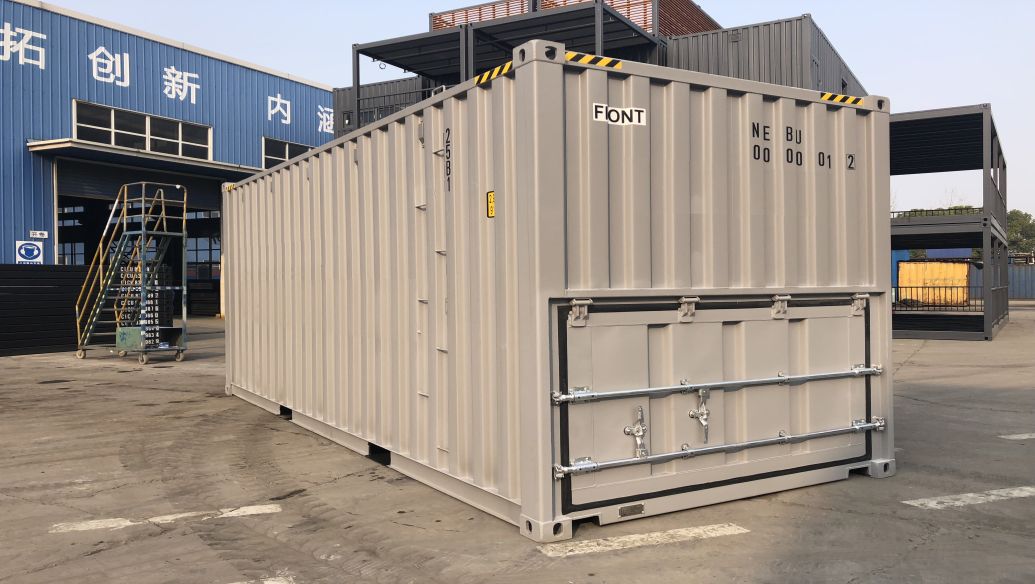
Business are likewise exploring choices made from recycled materials, which not only conserve sources yet additionally support the reusing market. In addition, advancements in style enable lighter containers that need less energy to transport, additionally boosting sustainability. By integrating these environment-friendly mass container alternatives, businesses can show their commitment to ecological stewardship while satisfying consumer need for lasting methods. This change not just helps the earth however can additionally improve brand credibility and consumer commitment.
Cost-Effectiveness and Budgeting for Mass Containers
While many companies concentrate on sustainability, cost-effectiveness continues to be an important factor when selecting mass containers. Organizations needs to examine the preliminary purchase cost, in addition to long-term operational expenses, to ensure financial stability. Aspects such as reusability, maintenance, and durability play a substantial function in identifying overall costs.
Buying top notch containers may produce greater in advance costs however can bring about savings through minimized replacement rates and decreased waste. Furthermore, businesses should take into consideration transport expenses and storage effectiveness, as these can affect the overall budget.
Regularly Asked Inquiries
Exactly how Do I Identify the Right Container for Hazardous Materials?
To figure out the ideal container for hazardous products, one must assess compatibility with the substance, think about the container's material, look for regulatory conformity, and evaluate ability and safety and security attributes to ensure appropriate handling and storage space.
Can Mass Containers Be Custom-made for Certain Products?
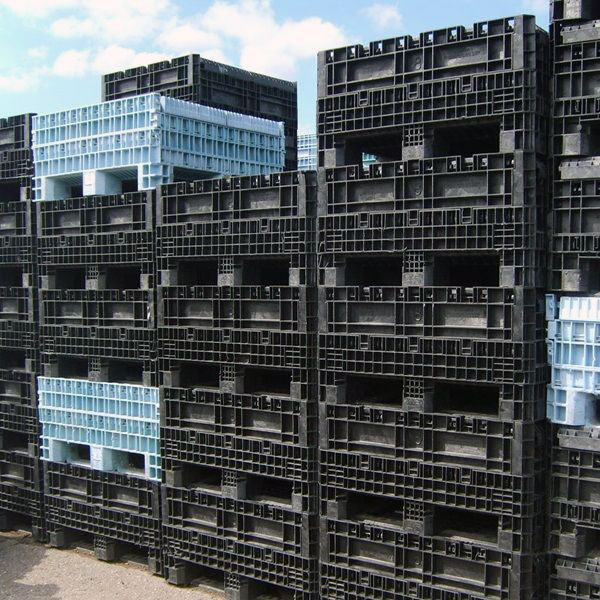
Yes, bulk containers can be tailored for certain products. used collapsible containers. Numerous features, such as dimension, layout, and product, can be tailored to meet one-of-a-kind requirements, making sure ideal safety and security and effectiveness for moving and storing different goods
What Is the Ordinary Life-span of Various Bulk Container Kind?
The typical life-span of bulk container kinds differs; plastic containers last 5-10 years, steel containers 10-20 years, and wooden containers normally last 3-7 years, depending on use, maintenance, and ecological problems.
How Should I Tidy and Maintain Bulk Containers?
To cleanse and maintain bulk containers, one should consistently inspect for damages, eliminate residue, laundry with suitable detergents, wash thoroughly, and guarantee appropriate drying before storage. Following producer guidelines boosts longevity and security during use.
Exist Rental Alternatives for Mass Containers Available?
Yes, numerous companies provide rental alternatives for bulk containers, giving flexibility for businesses. These services can fit different requirements, allowing business to handle inventory efficiently without the commitment of purchasing containers outright.
Longevity and strength are critical elements in selecting materials for mass containers, as they directly influence the container's capacity to hold up against numerous environmental conditions and taking care of processes. Comprehending chemical compatibility is important for selecting mass containers, as the products made use of need to resist the specific substances they will hold. Comprehending weight capacity is vital for companies aiming to enhance their bulk container performance. Regulative conformity and security criteria play an essential role in the choice of mass containers for organizations. While many organizations concentrate on sustainability, cost-effectiveness continues to be a crucial aspect when selecting bulk containers.